
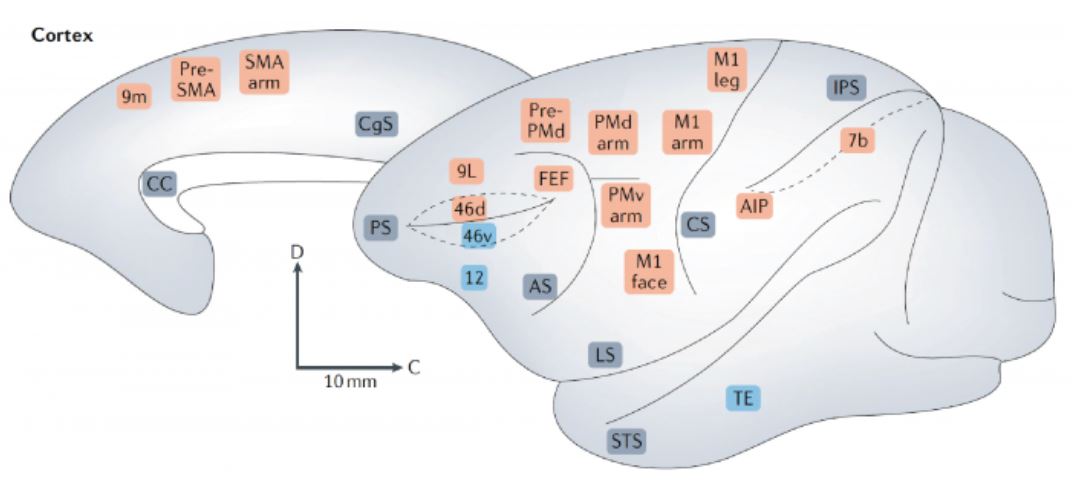
The goal of systems and behavioral neuroscience research is to understand the computational principles governing behavior and cognitive ablities. How our senses process information from the environment? How do we move in space? How do we control our arms and hands to interact with our environment? How do we make decision?
The Department of Neurobiology has many faculty members whose research focuses on answering these questions by studying the neural correlates of audition, touch, olfaction, itch, pain, movement generation and control, and decision-making. In adddition, we have numerous faculty studying the neural underpinning of common neurological diseases such as Alzheimer's, Parkinson's, dystonia, amyotrophic lateral sclerosis (ALS), and cerebrovascular dysfunctions in stroke.
We develop and employ a variety of cutting-edge in vivo and in vitro techniques and a wide range of animal models, including:
- behavioral neurophysiology
- optogenetics
- optical imaging
- genetic engineering.
Consult the list of affiliated faculty for further information on our research in Systems & Behavior.